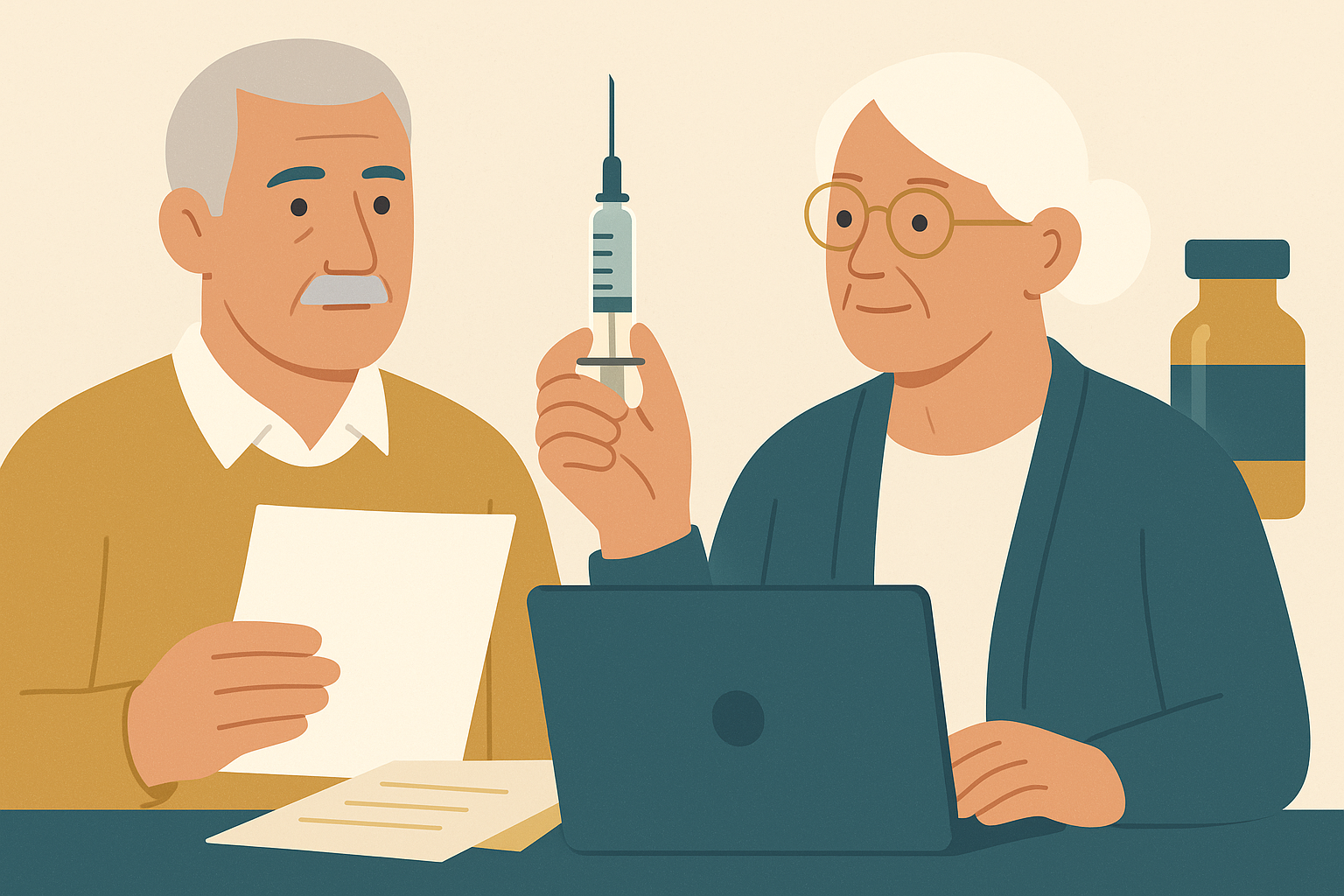
If you have been prescribed an injectable peptide or are researching the topic, the supplies that matter most are sterile single-use insulin-style syringes, alcohol prep pads, bacteriostatic water (only when your prescriber or pharmacy directs reconstitution), (learn more about best peptide stacks for recovery and healing: what the research says (2026)) (learn more about what is bpc-157? how it works, the research, benefits, risks, and what to know before considering it) (learn more about are peptides legal in 2026? the complete guide to fda rules, compounding, and 'research use only' labels) (learn more about peptide dosing calculator guide: how the mg/ml and syringe unit math works) (learn more about the 5 best oral glp-1 options in 2026 (ranked by approval, results, and real cost)) and an FDA-cleared sharps container. We ranked supply categories on sterility, safety, accuracy, and ease of use (learn more about how to reconstitute and store peptides safely: 7 handling principles ranked by risk). This guide covers supplies only. It does not recommend any peptide or dose, and anyone injecting a medication should do so under the guidance of a licensed clinician using products from a licensed pharmacy.
How We Ranked These Supplies
| Criteria | Weight | Why It Matters |
|---|---|---|
| Sterility and single-use design | High | Reuse or contamination raises infection risk. |
| Measurement accuracy | High | Small-volume syringes with clear markings reduce measuring errors. |
| Regulatory status | High | FDA-cleared or licensed-pharmacy sourced products are safer than unregulated sellers. |
| Ease of use | Medium | Needle gauge and syringe design affect comfort and technique. |
| Safe disposal | Medium | Used needles must go into a proper sharps container. |
Data sources: FDA guidance on needles and syringes and safe injection practices, CDC injection safety recommendations, and manufacturer product labeling.
1. Sterile Insulin-Style Syringes — Best for Small-Volume Accuracy
Best for: Prescribed subcutaneous injections of small volumes.
Typical specs: Low-volume barrels, fine gauge needles, fine unit markings.
Insulin-style syringes have narrow barrels and fine graduations, which makes small volumes easier to read accurately. Always use a new sterile syringe for every injection and never share syringes.
Pros
- Fine markings help reduce measurement error.
- Fine needles are generally more comfortable for subcutaneous use.
- Widely available through pharmacies.
Cons
- Rules on purchasing without a prescription vary by state.
- Unit markings can be misread, so confirm volume with your pharmacist or prescriber.
Who This Is Best For
People following a clinician's instructions for subcutaneous injection. If you are unsure how to read the markings, ask your pharmacist to show you.
2. Alcohol Prep Pads — Best for Skin and Vial Stopper Cleaning
Best for: Cleaning the injection site and vial stoppers.
Single-use isopropyl alcohol pads are inexpensive and standard in injection routines. Let the skin dry before injecting.
Pros
- Cheap, sterile, individually wrapped.
- Easy to carry.
Cons
- Dried-out or damaged packets are less reliable.
- Not a substitute for proper hand hygiene.
Who This Is Best For
Everyone injecting medication. Check expiry dates and discard open or dry pads.
3. Bacteriostatic Water — Use Only as Directed
Best for: Reconstitution when a prescriber or pharmacy specifically instructs it.
Bacteriostatic water contains a preservative that allows multiple draws from a vial for a limited time, unlike sterile water for injection, which is generally single-use. It is a regulated pharmaceutical product.
Pros
- Preservative supports multi-dose vial use within labeled limits.
- Standard product with clear labeling.
Cons
- Not appropriate for every medication or every patient, such as newborns.
- Should never be bought from unverified sellers.
Who This Is Best For
Patients whose pharmacist or prescriber has specified it. Follow storage and discard-date instructions exactly.
4. FDA-Cleared Sharps Containers — Best for Safe Disposal
Best for: Disposing of used needles and syringes.
The FDA recommends putting used sharps in a puncture-resistant, leak-proof container. Local disposal rules differ, so check your community program.
Pros
- Prevents needlestick injuries.
- Often available at pharmacies.
Cons
- Disposal rules vary by location.
- Containers must be replaced when about three-quarters full.
Who This Is Best For
Every household using needles. Never throw loose needles in the trash or recycling.
5. Pre-Filled Pens and Cartridges — Best Ease of Use for Approved Drugs
Best for: FDA-approved medications supplied as pens, such as GLP-1 therapies.
Pre-filled pens remove the need to draw from a vial, reducing technique errors.
Pros
- Built-in dosing reduces measuring mistakes.
- Designed and tested as a complete system.
Cons
- Only available for specific approved medications.
- Typically cost more than vials and syringes.
Who This Is Best For
Patients prescribed medications that come in pens. See our guide to GLP-1 telehealth providers.
Quick Comparison
| Supply | Primary Use | Single-Use | Prescription Needed | Key Risk to Avoid |
|---|---|---|---|---|
| Insulin-style syringes | Measure and inject | Yes | Varies by state | Misreading units |
| Alcohol prep pads | Cleaning | Yes | No | Dry or expired pads |
| Bacteriostatic water | Reconstitution | Multi-draw limited | Yes in many cases | Unverified sellers |
| Sharps container | Disposal | Reusable until full | No | Overfilling |
| Pre-filled pens | Dosing | Pen-specific | Yes | Improper storage |
A Note on Unregulated Peptides
Many products sold online as "research peptides" are not FDA-approved for human use, and their purity and dosing are not guaranteed. Learn more in our guides on BPC-157 and retatrutide. Talk to a licensed clinician before using any injectable product.
How We Researched This
We reviewed FDA and CDC injection-safety guidance and manufacturer labeling. We excluded unregulated sellers and any vendor that could not show sterility or regulatory information. Last updated: October 1, 2026. We review this guide quarterly.
Frequently Asked Questions
What supplies do I need for subcutaneous injections?
Typically sterile syringes, alcohol pads, a sharps container, and any diluent your prescriber specifies. Your clinician or pharmacist will confirm exactly what you need.
Can I reuse a syringe?
No. Syringes and needles are single-use. Reuse raises infection risk and dulls the needle.
What is the difference between bacteriostatic water and sterile water?
Bacteriostatic water contains a preservative for limited multi-dose use. Sterile water for injection has no preservative and is generally single-use.
Where should I buy injection supplies?
From a licensed pharmacy or a reputable supplier that provides regulatory information. Avoid unverified marketplace sellers.
How do I dispose of used needles?
Place them in an FDA-cleared sharps container or a puncture-resistant household container, then follow local disposal rules.
Do I need a prescription for syringes?
It depends on your state. Many states allow over-the-counter purchase, but rules vary.
What needle size is used for subcutaneous injections?
Short, fine-gauge needles are commonly used, but your clinician will recommend what suits your medication and body.
Are research peptides safe to inject?
Products labeled for research use are not approved for human use and may vary in purity. Discuss any peptide use with a licensed clinician.
How should I store injectable medications?
Follow the product label. Many require refrigeration, and reconstituted products have strict discard dates.
Important Disclosures
This content is for informational purposes only and is not medical advice. It does not recommend any specific medication or dose. Consult a licensed healthcare professional before injecting any substance. Some links may be affiliate links, which do not influence our rankings.
Recovery & Injury Peptides Guide Library
Part of our full Recovery & Injury Peptides library:
- Best Collagen Peptides for Joint and Tendon Recovery in 2026: 7 Compared
- Best Peptide Stacks for Recovery and Healing: What the Research Says (2026)
- Best Red Light Therapy Devices for Recovery in 2026: 5 Options Ranked
- Best Sports Recovery Supplements for Athletes in 2026: 7 Ranked by Evidence
- Best Supplements for Tendon and Ligament Repair in 2026: 7 Ranked by Evidence
- Best Telehealth Clinics for Injury Recovery Peptides in 2026: 5 Provider Types Compared
- GHK-Cu vs. BPC-157: What the Research Shows About Each Peptide
- How to Reconstitute and Store Peptides Safely: 7 Handling Principles Ranked by Risk
- Peptide Dosing Calculator Guide: How the mg/mL and Syringe Unit Math Works