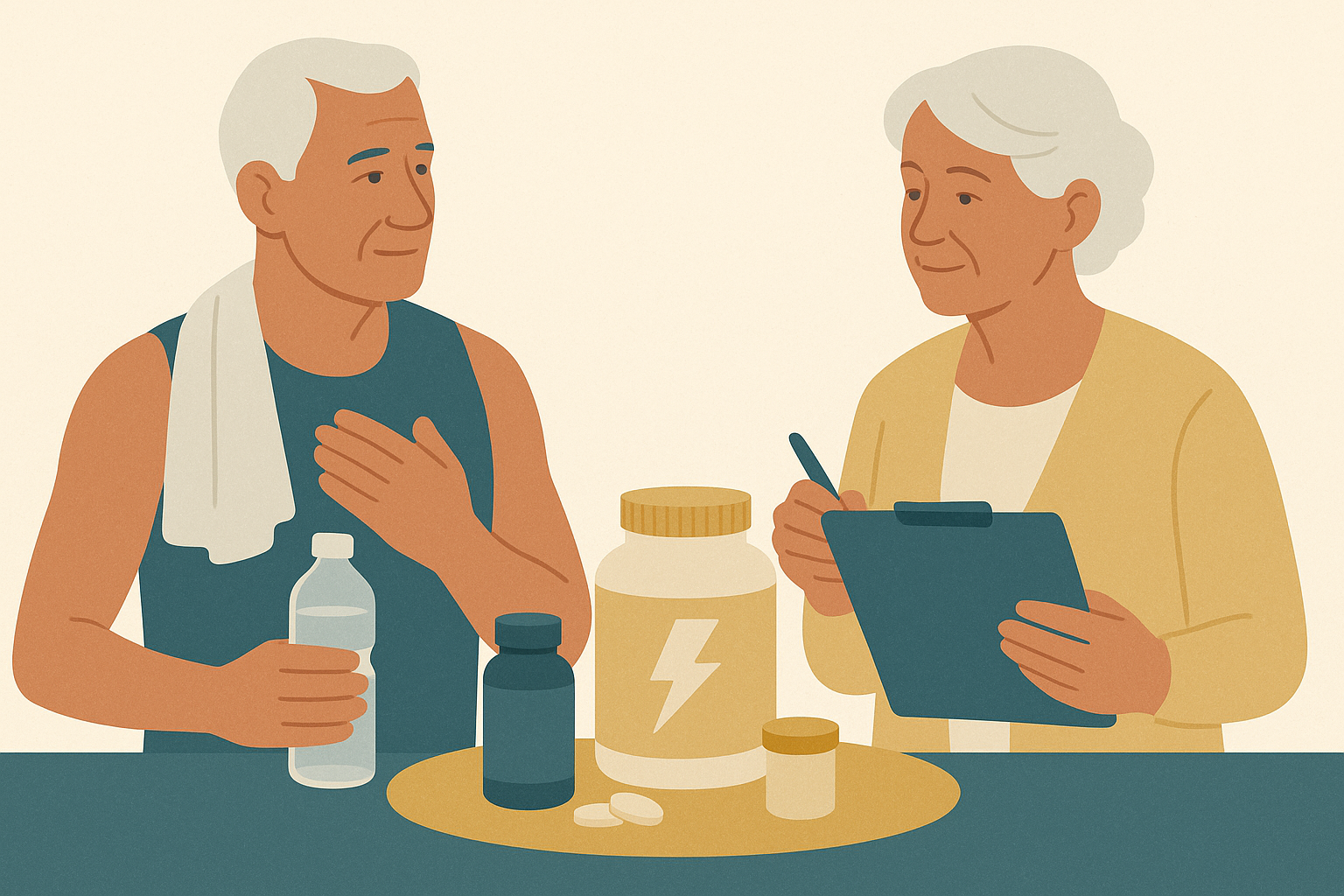
If you want the best sports recovery supplements for athletes in 2026, the strongest evidence supports creatine monohydrate and high-quality protein, followed by tart cherry, omega-3 fatty acids, (learn more about best supplements for tendon and ligament repair in 2026: 7 ranked by evidence) (learn more about best collagen peptides for joint and tendon recovery in 2026: 7 compared) (learn more about best telehealth clinics for injury recovery peptides in 2026: 5 provider types compared) (learn more about best ipamorelin alternatives & gh-support supplements of 2026) and collagen with vitamin C. We ranked seven options by the quality of human research, practical effect size, safety profile, cost, and third-party testing availability. This guide is for athletes who want recovery support that is supported by clinical trials, not peptide hype (learn more about are peptides legal in 2026? the complete guide to fda rules, compounding, and 'research use only' labels) (learn more about best peptide injection supplies in 2026: what to look for and what to avoid) or marketing claims.
Last updated: October 2026. This article is educational and is not medical advice. Talk with a physician or registered dietitian before adding any supplement, especially if you take medication, have a medical condition, or compete in tested sport.
How We Ranked These Supplements
| Criteria | Weight | Why It Matters |
|---|---|---|
| Human clinical evidence | High | Meta-analyses and randomized trials in athletes count more than animal or cell studies. |
| Size and consistency of effect | High | A benefit that shows up across studies beats a single positive trial. |
| Safety and side effects | High | Recovery products should not add risk to training. |
| Third-party testing availability | Medium | Supplements are not pre-approved by the FDA; independent certification reduces contamination risk. |
| Cost per effective serving | Medium | Recovery stacks should be sustainable for a full season. |
Data sources: position stands from the International Society of Sports Nutrition (ISSN), NIH Office of Dietary Supplements fact sheets, published systematic reviews, and NSF Certified for Sport and Informed Sport testing programs.
1. Creatine Monohydrate — The Best-Studied Performance and Recovery Supplement
Best for: Strength, power, and team-sport athletes
Typical studied intake: 3-5 grams per day (per ISSN position stand)
Evidence level: Strong
Creatine monohydrate is among the most researched sports supplements in existence. The ISSN position stand concludes it is effective and safe for healthy people when used appropriately, and research suggests it may help preserve performance across repeated high-intensity sessions and support recovery between them.
Pros
- Decades of human research and a strong safety record in healthy adults
- Inexpensive; plain monohydrate is the form with the most evidence
Cons
- Can cause small water-weight gain, which matters in weight-class sports
- Benefits are strongest for high-intensity, short-burst work
Who This Is Best For
Athletes doing repeated sprints, lifting, or intense intervals. People with kidney disease should not use it without physician approval.
2. Protein (Whey, Casein, or Plant Blends) — The Recovery Foundation
Best for: Anyone training hard with an inadequate daily protein intake
Typical studied intake: 1.4-2.0 g/kg body weight per day, spread across meals (ISSN)
Evidence level: Strong
Adequate protein supports muscle repair and adaptation after training. A protein powder is simply a convenient food, so it ranks as a foundation rather than a miracle. Research suggests intakes of roughly 0.25-0.4 g/kg per meal are effective for stimulating muscle protein synthesis in most athletes.
Pros
- Convenient, well-researched, and widely available
- Works with food-first nutrition plans
Cons
- No added benefit if daily protein is already adequate
- Some people react to dairy or sweeteners; plant blends vary in quality
Who This Is Best For
Athletes who struggle to reach protein targets through meals. Those with kidney conditions should ask a clinician first.
3. Tart Cherry — Best Studied Food-Based Option for Soreness
Best for: Endurance and multi-day event athletes
Evidence level: Moderate
Several trials and reviews report that tart cherry juice or concentrate may modestly reduce perceived muscle soreness and speed functional recovery after strenuous exercise. Study protocols vary, so results should be treated as promising rather than guaranteed.
Pros
- Generally well tolerated; whole-food source of polyphenols
- Most useful around hard efforts or congested competition schedules
Cons
- Mixed study designs and small samples; sugar content in juice
- Effects are modest
Who This Is Best For
Runners, cyclists, and tournament athletes managing soreness across several days.
4. Omega-3 Fatty Acids (EPA/DHA) — Best for Inflammation Support
Best for: Athletes who rarely eat fatty fish
Evidence level: Moderate
Omega-3s from fish or algae oil are well-known for general health, and some studies suggest they may reduce delayed-onset muscle soreness. Results are inconsistent, so they are better viewed as a supportive nutrient than a recovery shortcut.
Pros
- Broad health relevance beyond sport
- Algae-based options exist for plant-based athletes
Cons
- High doses may increase bleeding risk or interact with blood thinners
- Quality and oxidation vary by brand
Who This Is Best For
Athletes with low fish intake. Check with a clinician if you take anticoagulants.
5. Collagen Peptides with Vitamin C — Best for Connective Tissue Support
Best for: Athletes with tendon and joint loading demands
Evidence level: Emerging
Small trials suggest that collagen or gelatin taken with vitamin C shortly before loading may support collagen synthesis in connective tissue. Human outcome data on injury prevention is still limited. See our full guide to the best collagen peptides for joint and tendon recovery and our ranking of supplements for tendon and ligament repair.
Pros
- Low risk and easy to combine with training
- Plausible mechanism, active research area
Cons
- Evidence is early and mostly short-term
- Not a complete protein source
Who This Is Best For
Athletes in high-impact or overhead sports who already cover basics like protein and sleep.
6. Magnesium — Best for Correcting a Shortfall
Best for: Athletes with low dietary magnesium
Evidence level: Limited to moderate (strongest where intake is low)
Magnesium plays roles in muscle and nerve function and sleep. The NIH Office of Dietary Supplements notes many adults fall short of recommended intakes. Supplementing is most sensible when diet is inadequate, and there is limited evidence that extra magnesium boosts recovery in people who are already replete.
Pros
- Inexpensive; addresses a common dietary gap
- May be helpful for those with sleep or cramping complaints tied to deficiency
Cons
- High supplemental doses can cause diarrhea; upper limit for supplemental magnesium is 350 mg/day for adults
- Not proven to enhance recovery if intake is adequate
Who This Is Best For
Athletes with low-magnesium diets, after discussing labs and dosing with a clinician.
7. Peptides (BPC-157, TB-500) — Not Recommended as an Athlete Supplement
Best for: No one as an over-the-counter recovery aid
Evidence level: Insufficient human data
Because this is PeptideSimple, readers often ask about injectable "recovery peptides." The honest answer: the evidence is mostly preclinical, these compounds are not FDA-approved for injury recovery, and the World Anti-Doping Agency prohibits several of them in competitive sport. Review our explainer on what BPC-157 is, the legal alternatives to BPC-157, the legal status of peptides, and peptides for sleep and recovery.
Pros
- Active research interest and plausible biology in animal models
Cons
- Little controlled human evidence, unclear quality control, regulatory and anti-doping risk
Who This Is Best For
Athletes should discuss any peptide interest with a licensed physician, and tested athletes should avoid prohibited substances entirely.
Quick Comparison
| Supplement | Evidence Level | Typical Studied Amount | Main Benefit | Main Caution |
|---|---|---|---|---|
| Creatine monohydrate | Strong | 3-5 g/day | Repeated high-intensity output | Water weight; kidney disease |
| Protein | Strong | 1.4-2.0 g/kg/day total | Muscle repair | Dairy sensitivity |
| Tart cherry | Moderate | Per product label | Soreness | Sugar; mixed studies |
| Omega-3 | Moderate | Per product label | Soreness, general health | Blood thinners |
| Collagen + vitamin C | Emerging | Per product label | Connective tissue | Limited outcome data |
| Magnesium | Limited-moderate | Under 350 mg supplemental | Fixing a shortfall | GI upset |
| BPC-157 / TB-500 | Insufficient | Not established | None established | Legal, doping, quality risk |
Build the Foundation First
No supplement replaces sleep, adequate calories, carbohydrates around hard sessions, hydration, and smart training load. Supplements work at the margins. If you compete in tested sport, choose products with NSF Certified for Sport or Informed Sport certification.
How We Researched This
This guide draws on ISSN position stands, NIH Office of Dietary Supplements fact sheets, published systematic reviews, and WADA's Prohibited List. We favored human trials in athletes and excluded products whose claims rely only on animal or cell studies. We do not accept payment for placement. We review this guide at least twice a year.
Frequently Asked Questions
What is the best supplement for muscle recovery?
For most athletes, creatine monohydrate and adequate protein have the strongest evidence. Tart cherry and omega-3s have moderate evidence for soreness.
Do recovery supplements actually work?
Some do, modestly. Effects are usually small compared with sleep, nutrition, and training management.
Is creatine safe for athletes?
The ISSN considers creatine monohydrate safe for healthy individuals at studied doses. People with kidney disease should consult a physician first.
How much protein do athletes need?
The ISSN suggests roughly 1.4-2.0 g/kg of body weight daily for most exercising people, with some athletes needing more. A registered dietitian can individualize this.
Does tart cherry reduce muscle soreness?
Several studies suggest a modest reduction in perceived soreness, though study methods differ.
Are BCAAs worth it for recovery?
If you already eat enough complete protein, extra BCAAs add little. Whole protein sources are generally the better value.
Are peptides like BPC-157 a legal recovery supplement?
BPC-157 is not FDA-approved and its legal status is contested for compounding and supplement sale. WADA also prohibits it in sport. See our legal guide linked above.
How do I avoid contaminated supplements?
Look for NSF Certified for Sport or Informed Sport labels, which test for banned substances and contaminants.
When should I take recovery supplements?
Timing matters less than daily consistency for creatine and omega-3. Protein is typically spread across meals, and collagen studies use a dose shortly before loading.
Can I combine these supplements?
Many are commonly combined, but check with a clinician about interactions, especially with medication.
Important Disclosures
This content is for informational purposes only and does not constitute medical advice, diagnosis, or treatment. Dietary supplements are not evaluated by the FDA to diagnose, treat, cure, or prevent any disease. Regulatory status of peptides changes frequently and varies by jurisdiction. Consult a licensed healthcare professional before starting any supplement. Some links on this site may be affiliate links; this does not influence our rankings, which follow the methodology above.
Recovery & Injury Peptides Guide Library
Part of our full Recovery & Injury Peptides library:
- Best Collagen Peptides for Joint and Tendon Recovery in 2026: 7 Compared
- Best Peptide Injection Supplies in 2026: What to Look For and What to Avoid
- Best Peptide Stacks for Recovery and Healing: What the Research Says (2026)
- Best Red Light Therapy Devices for Recovery in 2026: 5 Options Ranked
- Best Supplements for Tendon and Ligament Repair in 2026: 7 Ranked by Evidence
- Best Telehealth Clinics for Injury Recovery Peptides in 2026: 5 Provider Types Compared
- GHK-Cu vs. BPC-157: What the Research Shows About Each Peptide
- How to Reconstitute and Store Peptides Safely: 7 Handling Principles Ranked by Risk
- Peptide Dosing Calculator Guide: How the mg/mL and Syringe Unit Math Works